Tag: bible

  • The Work of the Church

    The Work of the Church

    Today was our last prayer meeting for the season, so I thought I’d just share some reflections from today.

    John’s account in 20:19-23 is the first meeting of the disciples, minus Thomas, after the resurrection all in one room. It is the first giving of the Spirit that recalls the creation story in God giving life to humanity. This experience with Jesus the Christ, is meant to give us that recall in the way we are seeing a new creation go forward. The church hasn’t started yet, but they are on the way. Even after Pentecost, the push is still to create a wholistic version ancient Judaism, which is why we see the disciples continue to worship and praise God in the Temple after these experiences.

    The breaking apart of the Jerusalem community at the beginning of Acts, and the forcing out of these disciples turned apostles to the rest of the world to spread the Good News of Jesus is where the birth of the church really gets its legs. Right now, we are living in a time where this Good News is something to hold on to in a way most white Americans have not experienced. There have been some throughout our history that have stood by the oppressed and felt the power, might, and violence of the federal and local government.

    Now is the time to hold on to this Good News and stand up for our neighbors. While we may not be seeing it on social media as often, these violent attacks by federal agents are still ongoing. On Tuesday, US New Jersey Senator Andy Kim was pepper sprayed by federal agents while protesting an ICE facility. The need to condemn these actions is there and should be ringing from the rooftop of any decent person.

    In considering Jon 20:19-23, the celebration of Pentecost, and the prominence of white christian nationalism, I am also reminded that the work of the church is to call out these horrific occurrences in a way where we are forced to reconcile the dignity of those holding the pepper spray and giving out the orders.

    Now, in a world with an incredible escalation of violence and technology in the aid of violence, from the gas ovens to biological warfare, perhaps we should be extra careful to find a language that is not violent. I’m not referring to what we speak about. I’m referring to how we speak… You feel more powerful when you lambast. That’s the fake prophet’s temptation.  – Krister Stendhal, Roots of Violence, pg 56,57

    It is the work of the Episcopal Church to remind everyone that God loves them, no exceptions. It is our work in that midst to hold on and pray for the inherent dignity and image of God found in all her creation, even the ones actively arguing for our disbandment. But it is also our job to remind people the Good News of Jesus the Christ in that, all things can be reconciled to God. I often ascribe to the phrase of that was played off former First Lady Michelle Obama’s “when they go low, we go high. I cannot remember where I heard it but the, “when they go low, I go to hell and drag them down with me” really spoke to the loud sense of injustice I have around what is happening. My impulse is to want to drag the oppressors down to hell with me and some privilege affords us the opportunity to say and do things like that with little consequence. But the truth is, Jesus is not found in that, and neither is the good news.

    Like Stendhal says, it’s the fake prophet’s temptation because of how we feel when we lambast. It is how we talk about the violence and oppression that is occurring, not the violence and oppression itself. We can talk about the horrors of what the american empire is doing locally and aiding in abroad without giving into to the violent language used by empire. I know this sounds silly, but once you start substituting things like “I killed it in there” to “I did a great job in there” it is odd how much your language and frame of mind will stand out.

    It is the work of the church to help breathe new life, to put new wine in new wine skins, to show up day in and out to show and say “God loves you, no exceptions, and therefore so do I, but there is a better way to live.”

    It is our work to lock arm in arm and help show this new way of life that Jesus the Christ has set us on, and to sometimes, when necessary, use words to describe it.

    Grace and peace friends.

  • Ignorance Personified

    Ignorance Personified

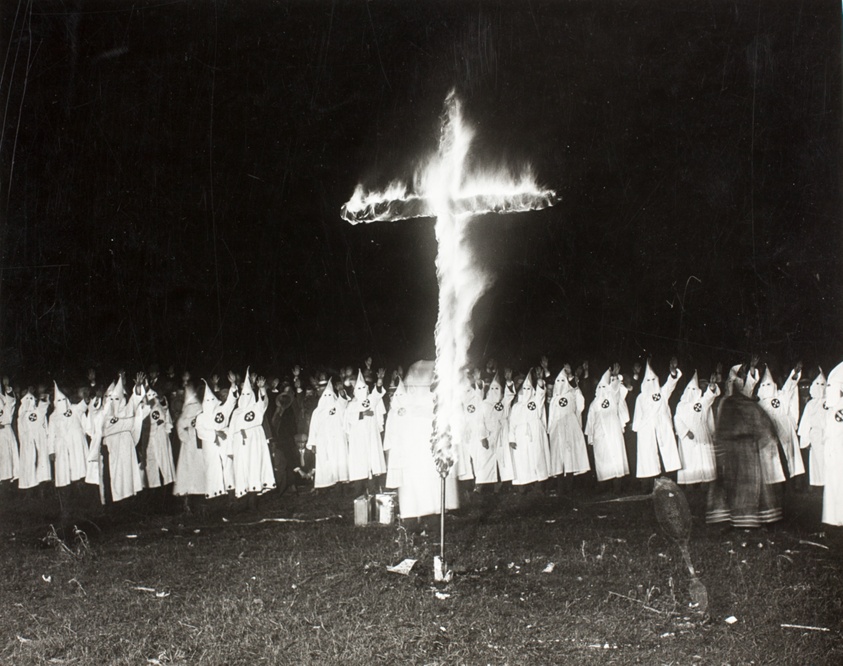
    In 1966, my father was walking with my grandfather from their car to one of the libraries in Dayton Ohio. While they were in route, my dad looked over and saw a group of people he didn’t recognize. So he asked my grandfather, “dad, why are those guys walkin’ around in nothin’ but their bed sheets?” The way my dad tells it, my grandfather shook his head and responded with, “Mike, that right there, is ignorance personified.” As the story goes, the white supremacists were showing up in hopes to intimidate the Dayton School Board to cave to their wishes. I was in early high school or late junior high when my dad told me about this, and it something I will never forget.

    How my grandfather described the ku klux klan in those two words has latched on to my soul, and has shaped my implicit bias when it comes to white supremacy. Anyone who thinks they are better than someone else, that has to “other” a fellow human based on the color of their skin is ignorant. However this description doesn’t pertain to just white supremacy, but it is a great encapsulation of the concept of bullies as a whole.

    It is not hyperbolic to say that we are living in a time where white supremacy is being enforced in ways two generations have not seen, but if we had only listened to black women and had taken them seriously it could all have been avoided.

    Like most decent people, I have been feeling a mix of speechlessness, disgust, and dismay with how this current administration has carried itself for the past year and a half (as well as the first four years of it). Not because I am shocked by anything they have done, for over a decade those of us who have been paying attention and doing the work have been told we are overreacting. So while sitting with this puddle of emotions I started a new book that is uncomfortably relevant. Last year my wife read, A Fever in the Heartland: The Ku Klux Klan’s Plot to Take Over America, and the Woman Who Stopped Them, penned by Timothy Egan, she told me I needed to pick it up, and I finally did. It is about the rise of the KKK in the early 20th century focused on Indiana, and it touches on how it shaped membership, American policy, and the murder of a young woman. Yesterday I was reading when I stumbled upon this little section:

    To the major victories of outlawing alcohol, disenfranchising black voters, and closing the door on most new immigrants ,the klan now hoped to set up a parallel government in the capital just as it had done in Indiana. The other goal was to prohibit the teaching of evolution.

    The klan backed a law in Tennessee that made it a crime for a public school teacher to explain any theory that denies the story of divine creation of man as taught in the Bible. The fear was that if evolution were accepted it would imply that all people have a common origin.

    For the klan that meant that there was no fundamental difference from themselves and the race they pretend to despise.

    I added the underlining in the quote above, but today people are still pushing klan ideology. None of this should be surprising, considering the moral majority and religious right were born out of the racist gripe of not wanting to integrate schools. Vouchers, and school of choice became the voice of this version of christanity before Roe v. Wade would be a glimmer in their eye. For myself, this is part of what makes the voter suppression and rights stripped over the past few weeks so hard to stomach.

    In 2021 Georgia passed SB 202, which changed early voting, and prohibited anyone other than poll workers from handing out water, which is what many of us call voter suppression. As mentioned previously, the past week we have seen what remained of the Voter Rights Act of 1965 stripped away. In that time, the states that originally voted against this act, have responded quickly with suppressing black voices by gerrymandering new maps. All decent people watching this happen in real time are reminded how deep white supremacy runs, and how much it ruins. What our current Supreme Court has done to this country is not only disgusting, but continues to prove white supremacy is alive and well in the halls of “justice.”

    However, upholding white supremacy in these halls is nothing new, so why are we surprised when they come after the rights of people of color. The truth is, what is happening now is breaking norms we naively thought would not be undone. Did we worry about it? Absolutely. Did white people take seriously the concerns of people of color when it came to what was on the line for the past decade? Absolutely not. For over a year we have been living with the domestic terrorism that the federal government has sanctioned when it comes to the disappearance of citizens and migrantes. It reminded me of another passage from Egan’s book:

    The klan would be a major force at the national conventions, no one onboard… doubted that the future of the country belonged to an organization of shrouded men clinging to the past.

    The fight over the last decade from the “America First” crowd has led us to this moment where the lives of our neighbors have been disrupted and destroyed by men in masks who are being led by others clinging to the past. Egan wrote in his book about the state elections that occured in just barely 100 years ago in Indiana that resulted in, “hundreds of small ways these [klan] loyalists could make life worse for those who were not white Protestants.” For years we have been seeing people say the quiet part out loud, and in reading that line I was disgusted by how relevant it still is. What is happening in Tennessee, Louisiana, Alabama, and other southern strongholds to suppress black and people of color’s voice right now is exactly why we must not remain silent.

    The reintroduction of Jim Crow voting districts, and the stripping of rights by christian nationalists, and others, does not reflect the values of Jesus. Groups like this do not want Jesus, because to follow him means to seek out the other and care for them. To be a good neighbor does not mean to have a mirror image next door, it is to welcome the diversity that makes all of us better. It is to say no to ignorance and yes to curiosity. It also means to practice the paradox of tolerance that Karl Popper made famous. This act where your society remains intolerant of the intolerant, by stamping out hate speech or othering, and uprooting white supremacy wherever it tries to flourish.

    I know that I am not the only one who feels the weight sitting on their chest about what is happening right now in the United States, and it feels like nothing can be done. We are not alone, and we can do many good things together, we just need to be brave and curious. This is a time to make our voices heard, one way is to follow this link to 5 Calls. It will take you to their, “Protect the Right to Vote and Fair Representation” page where you can call your representatives and ask them to support fair voting rights. Get friends together and turn it into a party, you’d be surprised to find out how much easier it is to do this with a crowd of those you love and trust.

    My friends, it is up to us to carry on this work, and I am asking you to do your part in this peacemaking. Non-violence resistance has worked in the past, and it will continue to work if we remain steadfast and curious.

    Grace and peace my friends.

  • Wake Up Sheeple

    Wake Up Sheeple

    Hey, I am back after a bit of some time off. It was nice to take a short break from writing a few times a week and to observe Lent, Easter, and a bit of vacation without having to worry about this.

    Now I’m back on my bullcrap, and today’s post is brought to you by John 10:1-10:

    John 10:1-10

    Jesus said, “Very truly, I tell you, anyone who does not enter the sheepfold by the gate but climbs in by another way is a thief and a bandit. The one who enters by the gate is the shepherd of the sheep. The gatekeeper opens the gate for him, and the sheep hear his voice. He calls his own sheep by name and leads them out. When he has brought out all his own, he goes ahead of them, and the sheep follow him because they know his voice. They will not follow a stranger, but they will run from him because they do not know the voice of strangers.” Jesus used this figure of speech with them, but they did not understand what he was saying to them.

    So again Jesus said to them, “Very truly, I tell you, I am the gate for the sheep. All who came before me are thieves and bandits; but the sheep did not listen to them. I am the gate. Whoever enters by me will be saved, and will come in and go out and find pasture. The thief comes only to steal and kill and destroy. I came that they may have life, and have it abundantly.”

    The parable found here should give us pause and time to reflect because of how relevant Jesus’ teachings continue to be in our world. While I am sure we can all think of times when we have been involved in a conversation or situation where one of us is thinking, “there is no way this sibling in Christ reads the same Bible I do.” This has happened to me probably more times in the past 11 years than the rest of my life combined.

    As I was reading and preparing for my noonday prayer service, two verses struck me which are, “the sheep follow him because they know his voice” and “they will not follow a stranger, but they will run from him because they do not know the voice of strangers.

    For a few moments I just sat staring out the window, because all I could think of was, “this is the gap of the Gospel, and people who are stuck on the idea that it is woke propaganda.

    In an interview with NPR in 2023, Russell Moore, Editor and Chief of Christianity Today stated the following on the crisis of Christianity in these churches:

    It was the result of having multiple pastors tell me, essentially, the same story about quoting the Sermon on the Mount, parenthetically in their preaching— “turn the other cheek” —[and] to have someone come up after to say, “Where did you get those liberal talking points?” And what was alarming to me is that in most of these scenarios when the pastor would say, “I’m literally quoting Jesus Christ” would not be, “I apologize.” The response would be, “Yes, but that doesn’t work anymore. That’s weak.” And when we get to the point where the teachings of Jesus are subversive to us, I think we’re in a crisis.

    In his book, John’s Wisdom, theologian Ben Witherington writes:

    John 10 it appears, in fact that we are dealing with two parabolic images that have been combined here, one having to do with Jesus ads the good shepherd, and one having to do with Jesus as the door, or gate, for the sheep. (pg. 187)

    Witherington goes on to write that:

    It should be seen from the general tone of this material that this teaching is directed to a situation where there are competing claims about who is the true leader and way for God’s people…

    …this material does not suggest a purely defensive and in-house situation (a flock is being raided by outsiders, but suggests competition for the same sheep and a situation where Jesus and his followers are still reaching out for “other sheep” not of his fold. In other words, it will not do to interpret this material without due attention to its missionary overtones. (pg. 188)

    Christian nationalism has ripped the mask off of the nice white gospel in a way that has not been seen or at least felt this public, since the Civil Rights era. When John writes about the confusion of the listeners, it is not so hard to believe how true it rings almost 2,000 years later.

    When we are wake up to accepting our place in God’s family, we are called to give up some things, usually revolving around our ego. Not that we cannot use our talents, but I am thinking more about how we feel when there is a clear line drawn between us and the “other.” How we give into the class system that keeps our collective humanity separated, and the need and want to drive down “others.”

    My friends, may we realize that there is a better way, and that as we shepherd others, we continue to not hop gates, but to seek learning and understanding from the one who reminds us to love our neighbors as ourselves.

    Grace and peace my friends.

  • It is Never Too Late

    It is Never Too Late

    Tomorrow is Ash Wednesday, and thus begins the season of Lent. It is with this in mind, I’d like to share with you something I wrote last year. On January 29th of 2025, I riffed off of First They Came by Lutheran Pastor Martin Neimöller. It is probably something you are familiar with, whether your know it or not, it reads as follows:

    First they came for the socialists, and I did not speak out—because I was not a socialist.

    Then they came for the trade unionists, and I did not speak out—because I was not a trade unionist.

    Then they came for the Jews, and I did not speak out—because I was not a Jew.

    Then they came for me—and there was no one left to speak for me.

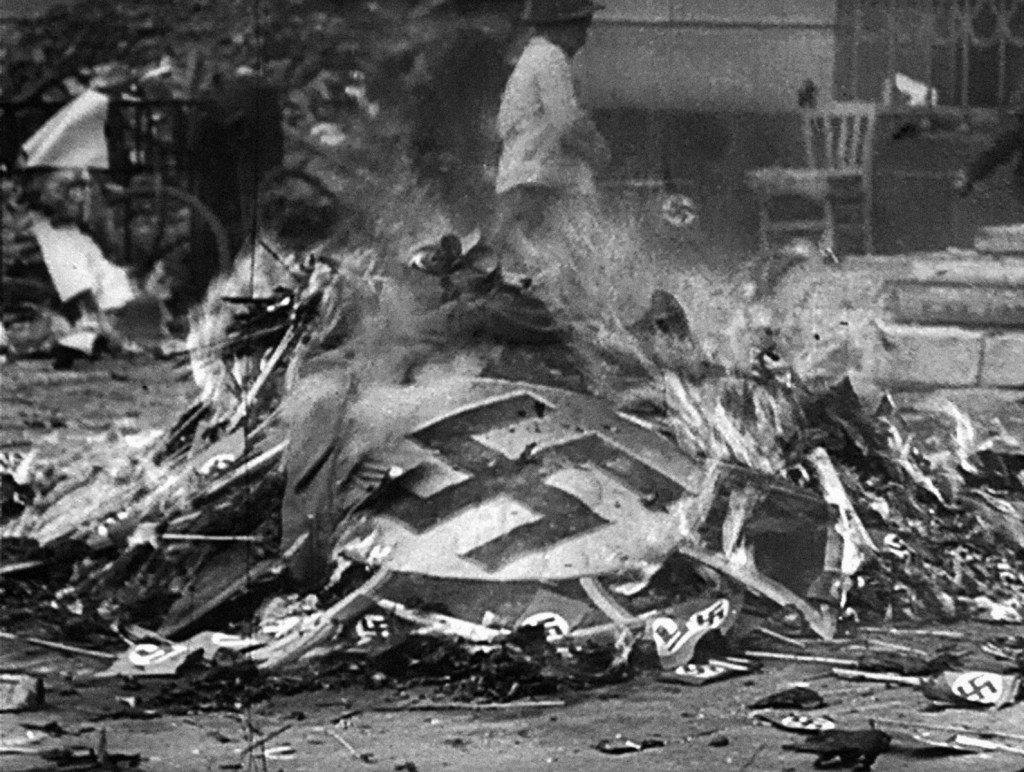
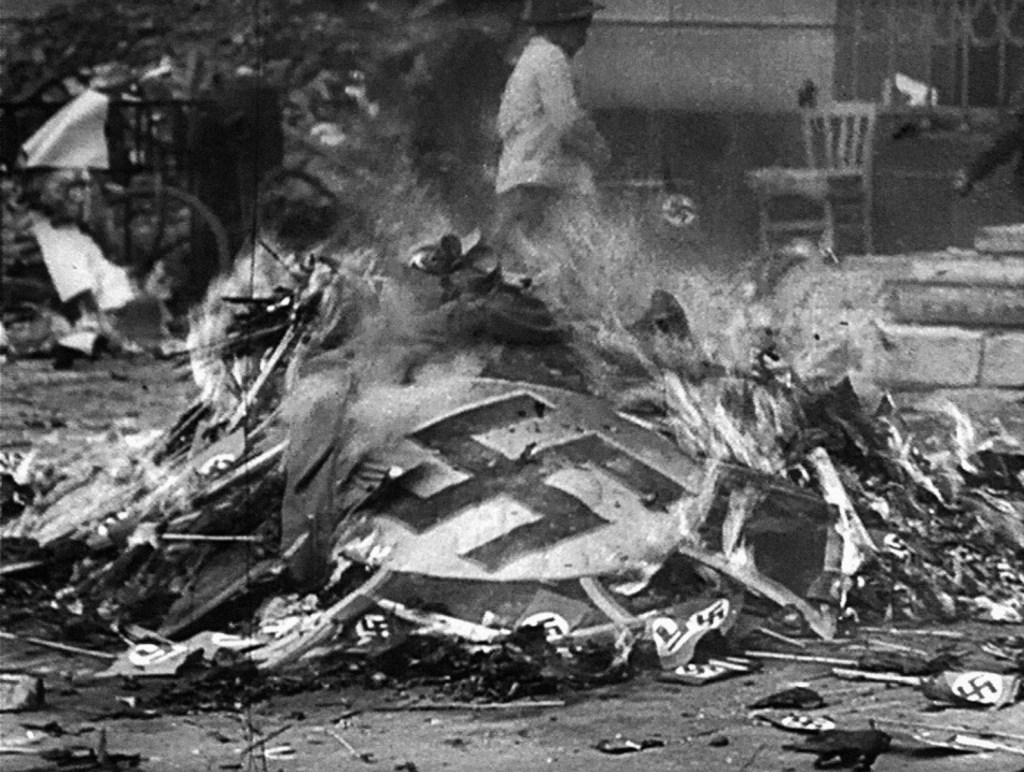
    Pastor Neimöller’s words have been echoed in many places since he wrote it. It is one of those quotes that I thought I knew the history of, but in reality applied my own ideologies to. I was surprised to find out when I was reading up on Pastor Neimöller that he was a supporter of the early n*zi party. Not only that, but, he had remained silent on how the party operated early on because they were going after the left and leftists. He didn’t feel the need to speak up about it because he did not agree with their politics.

    This may sound or feel familiar for some of you, if not now, perhaps in the future.

    It was not until Hitler came for the Lutheran Church in Germany did Neimöller start to wake up. He had helped formed a group called the, Emergency Pastor’s Group, to help confront some of these issues. Because of the state of Germany, it was believed by the group that the protestant faith could only be compromised that someone could be in the n*zi party. The two were not compatible.

    This may sound or feel familiar for some of you, if not now, perhaps in the future.

    As we stared down the start of a second Trump administration, and the ramp up of the familiar hatred that defined his first term, I sat and Neimöller’s words. It isn’t perfect but it captured my fear of the moment, a fear that has continued to be re-enforced.

    First they came for the undocumented and other immigrants. We didn’t speak out because we thought our privilege protected us.


    Then they came for those on the margins. We didn’t speak out because we thought our privilege protected us.

    Then they came for the LGBTQIA+ community. We didn’t speak out because we thought our privilege protected us.


    Then they came for the allies. WE didn’t speak out because we thought our privilege protected us.

    The last year has seen undocumented, legal, and American citizens who are immigrants disappeared by ICE.

    The last year has seen the criminalization of our unhoused and friends via the Ending Crime and Disorder on American Streets executive order.

    The last year has seen the almost complete dismantling of diversity, equity, and inclusion, not to mention the roll back of civil rights era legislation has been nothing short of monstrous.

    The last year has seen false information about our trans siblings being spoken from the highest ranks of government, the attempt to throw out Obergefell v. Hodges, and many more targeted acts of legislation state and nationwide.

    My friends, it is time, like Pastor Neimöller, it is time to find your voice. With tomorrow being Ash Wednesday, and the start of Lent, I pray you meditate on this.

    If you are interested you can read more about him here.

    Grace and peace.

  • Jude, the Saint of Despair

    Jude, the Saint of Despair

    John 15:17-27:

    Jesus said to his disciples, “I am giving you these commands so that you may love one another.

    “If the world hates you, be aware that it hated me before it hated you. If you belonged to the world, the world would love you as its own. Because you do not belong to the world, but I have chosen you out of the world– therefore the world hates you. Remember the word that I said to you, ‘Servants are not greater than their master.’ If they persecuted me, they will persecute you; if they kept my word, they will keep yours also. But they will do all these things to you on account of my name, because they do not know him who sent me. If I had not come and spoken to them, they would not have sin; but now they have no excuse for their sin. Whoever hates me hates my Father also. If I had not done among them the works that no one else did, they would not have sin. But now they have seen and hated both me and my Father. It was to fulfill the word that is written in their law, ‘They hated me without a cause.’

    “When the Advocate comes, whom I will send to you from the Father, the Spirit of truth who comes from the Father, he will testify on my behalf. You also are to testify because you have been with me from the beginning.”

    Saint Jude is the patron saint for lost causes, impossible situations and despair. It is a hard time for those of us who don’t believe empathy is a sin. When holding all that has happened in Minneapolis, thinking about Keith Porter Jr being murdered by immigration customs and enforcement, the horrific details in the newly released Epstein files, I needed to think about, and create space for despair for a bit.

    When I read this Gospel passage, which is specific in the lectionary to St. Simon and St. Jude (who both share the martyrdom on 10/28), it really had my mind going. See, when I read of Jesus in this passage talking about not being of this world my context, historically, of this passage is much different than what I believe now.

    For a long time I feared the idea of the day of judgment, specifically because of the language around it. I grew up around the apocalyptic concept of fire, brimstone, etc., but then I found out that apocalypse literally means uncovering in Greek, as in, learning something new. When I found this out, I dove deeper into the Jewish roots of Christianity. Because of this new information, I was deeply curious about what this day of judgment would mean. After some time, I became much more comfortable.

    The idea of the day of judgement, is the work of God setting things right, the way they were supposed to be.

    It is creating justice in an unjust world, and for those of us who seek justice, who seek the safety of others, who seek after the words of Jesus, it really isn’t a scary thing. Sure, there are aspects of our lives where we are continuing to hone and align the way we believe with how we live our daily life, but on the whole, the setting of things in their correct manner shouldn’t be that scary.

    When we strip down the concept of wanting to live in a world where everyone is safe, no one has to worry about food, healthcare, being othered, bombs, and genocide as seen in Sudan and Gaza to name a few. These things that make us feel fear in our daily lives, these systematic issues that cause us to live into despair. As I sit with this, I feel connected to the despair that St. Jude is the patron saint of. It’s not hard right now to let those feelings consume us, but cynicism is easy.

    Then I remember, despair is easy.

    Hope, love, and taking care of one another in community is hard.

    It takes bravery to love someone.

    It takes bravery to stand up for someone.

    It takes almost nothing to cast someone aside, and not only deny their humanity, but the image of God that is interwoven through their very being.

    So when I read and sit with the part in Luke where Jesus says, if the world hates you, be aware that it hated me before it hated you, my mind goes to the lie that is christian nationalism. Those I have heard prosecution stories loudest, come from those that uphold white Jesus. And we know that they cannot be the people Jesus is talking about here.

    May you find some hope in these words my friends.

    Grace and peace.

  • The Weight of No

    The Weight of No

    One of the first books I finished this year In the Name of Jesus: Reflections on Christian Leadership by Henri Nouwen, and while it is a short book, it may be one of the most impactful I have read in years around leadership. This is something that should not have surprised me consider who Nouwen was, when he was still walking this world. A man born in the Netherlands, became a Roman Catholic priest, taught at Notre Dame, Harvard, and Yale for over twenty years, but walked away from the prestige to serve at L’Arche’s Daybreak Community in Ontario.

    In this book he writes about the shared life, humility, and importance of walking the downward path in leadership. Now, I am not a fan of leadership books, and I have been through my share of programs that seem to be a one size fits all. But this book, in the less than 120 pages, packs more moments where I have sat back in silence than all other leadership books I have read combined. His entire life was rewritten during his time at L’Arche, and this book is one of the the results of that transformation.

    What I consider the incredibly important parts of this book, are broken up into a three sections. I phrase it like that because of course there is a conclusion, and while it is helpful to read, you could stop there. The three sections are as follows:

    1. From Relevance to Prayer
    2. From Popularity to Ministry
    3. From Leading to Be Led

    All of these sections are obviously impacted by the previous one, but what is so interesting about how Nouwen sees the world and this type of leadership, is how it should be pulling us downward, and not in a bad way. My concept of leadership in the church has been tainted by the evangelical money making house of cards it has always been. So to say leadership can be a motion downwards, feels antithetical to what it means to be a good leader. But what Nouwen latches on to, is that relevance for the sake of relevance, and the idea of entrepreneurship or silo ministry, this chasing of saying yes to what is happening now could be pushing us further from the presence of God in our midst.

    The weight and power of saying no in ministry is not something that should be overlooked. We live in a society right now where the news cycle changes almost hour by hour, and the fears that are ratcheted up continue to find no ceiling. This can create an environment where we must say yes to everything, in order to not get lost in the shuffle, but Nouwen in this book invites us to a deeper sense of knowing. Not just knowing who we are in the family of God, but who God is calling us to be in our context and strength.

    It wasn’t until the end of this book where I felt Nouwen succinctly formed his argument about not going alone, and standing where your call is at in order to lead people into the next age. He writes:

    Christian leaders have the arduous task of responding to personal struggles, family conflicts, national calamities and international tensions with an articulate faith in God’s real presence.

    They have to say no to every form of fatalism, defeatism, accidentalism, or incidentalism that makes people believe that statistics are telling us the truth.

    They have to say no to every form of despair which human life is seen as pure matter of good or bad luck.

    They have to say no to sentimental attempts to make people develop a spirit of resignation, of stoic indifference in the face of the unavoidability of pain, suffering, and death.

    To say no in the face of fatalism, defeatism, accidentalism, incidentalism, despair, luck, resignation, indifference, pain, suffering, and even death pushes us to a radical limit.

    To say no to how the world would normally respond is to say yes to hope. What I am not saying is that we should ignore the pain, consequences, etc. that come from these instances. I am not saying that at all, recognize and hold it.

    To say no to it is to reject the acceptance of it, it is to say yes to the accountability of the people around you, and to seek justice for those who have been harmed.

    To say no is to hold fast to Jesus teaching of the Sermon on the Mount, and to elevate ourselves past what is popular, and plant ourselves into what is everlasting.

    To say no is to shake off the burden of societal expectations, and to say yes to a deeper way of being.

    Grace and peace my friends.

  • A Country of Their Own

    A Country of Their Own

    This post was originally scheduled for next week, but considering the climate, I thought I’d move it up a bit.

    In late fall of 2025 I decided during my quiet time in the mornings to start reading Hebrews. The truth is, I don’t think I have looked at it, or thought much of it since I preached on chapter 11 back in 2013, so it seemed like a good time to read it. I had been trying to find a part of the Christian Bible to check out after burning through Amos, James, Exodus, and some other random parts.

    When I was reading Amos, it was when there seemed to be a push by Isr**l to continue in committing war crimes by murdering journalists and medical workers in Gaza. A push that has been successful as I am sure most of us, unless we are intentionally looking, are unaware of the many times they have continued to murder innocent people in Gaza during this “ceasefire.” I bring this up because I have written in my margins how sitting with the words of Amos and the actions in that land made me want to vomit.

    This has happened a few times in the past few years, reading something in the text I hold central to my religious beliefs, and looking at the world around me, local and internationally. The Ending Crime and Disorder on American Streets executive order comes to mind, where the president criminalized being unhoused while evangelicals and christian nationalists defend something Jesus would have pushed back on.

    This week I was reading Hebrews 11 and I came upon this passage:

    All these people were still living by faith when they died. They did not receive the things promised; they only saw them and welcomed them from from a distance, admitting that they were foreigners and strangers on earth. People who say such things show that they are looking for a country of their own… they were longing for a better country–a heavenly one.

    — Hebrews 11:13-16ish (NIV)

    For so long, people have come to the United States looking for a country of their own. It is how my family got here, and I guarantee how yours did too. So far this year there have been six confirmed deaths in ICE detention centers, one of which was a homicide, and as of Saturday they murdered another innocent person:

    • Alex Jeffrey Pretti, 1/24, homicide
    • Heber Sanchaz Domínguez, 1/14
    • Victor Manuel Diaz, 1/14
    • Parady La, 1/9
    • Renee Good, 1/7, homicide
    • Luis Beltran Yanez–Cruz, 1/6
    • Luis Gustavo Nunez Caceres, 1/5
    • Geraldo Lunas Campos, 1/3, homicide

    What ICE has been doing in our streets to our neighbors, citizens or not, is nothing short of terrorism. Using fear, intimidation, and unlawful violence against citizens as a political means is almost literally the definition of terrorism in the Oxford Dictionary. Many people have pointed out this is how white people have acted against Black Americans throughout our history is exactly correct. This is masked terrorism supported by our countries love of white supremacy, and the inability to quit it.

    What is happening is not normal in America for white people, which is why this is so jarring for most of us. I saw an Instagram reel today of friend of mine, who is a Palestinian activist rightfully lamenting the people now wanting to show up. It is a similar thing I have seen time and again when white people start to realize that the systems of violence we have upheld because they’ve been good for us start to turn on us.

    It is never too late to show up for your neighbors, and I urge you to do it now.

    It is hard work, and it takes a toll. But there are many ways we can do it, what I beg you to do, is not turn your eyes away again. Do not harden your heart once ICE is abolished, because this is only the beginning of the work needing to be done. We have the opportunity to make our corners of the world a heavenly country for all, if we choose to do this long term hard work.

    Stay safe out there friends.

  • Musk and Lazarus: Rich Man, Poor Man

    Musk and Lazarus: Rich Man, Poor Man

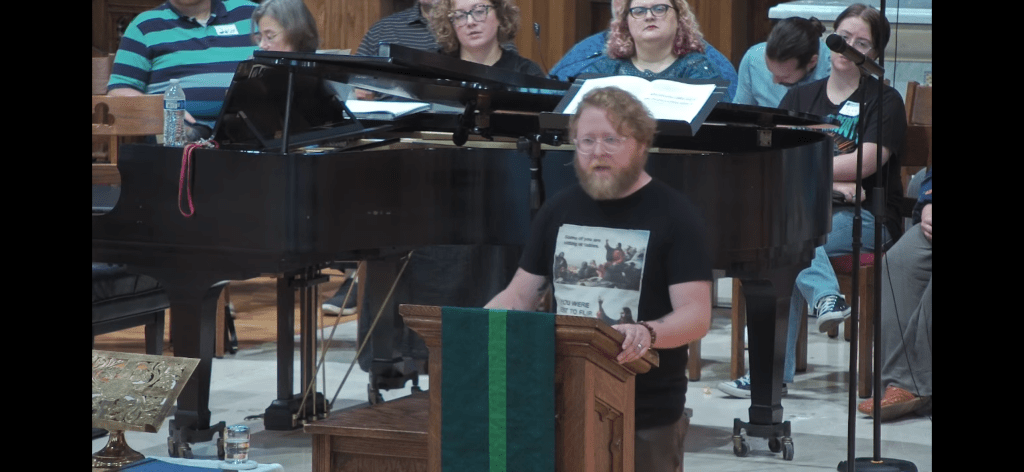
    Friends, this is my sermon from this past Sunday on a passage from Luke. If you prefer to watch, you can watch above, it starts at the 24 minute mark-ish. While I go off script in the video, you can read below my notes for the morning of.

    This is a good parable. Jesus is tossing out some, what I would call, weird for the day theological ideas, but it’s good. This is one of those passages I would really like to spend time digesting and getting pretty nerdy with you all. Starting with how the afterlife as a concept or belief was one held on to by the Pharisees, or how the rich guy is buried, and Lazarus died and is taken away by angels.

    This sermon has gone through many drafts, which is normal, but the content has changed quite a bit. In fact, in hindsight was a joke, I asked Father Jon if he wanted to read what I was confident my final draft on Tuesday. However, as I was working to finalize this, this week, I kept growing increasingly unsettled, not just by the content but by ridiculously relevant it is. In fact, I completely re-wrote it last night after 8pm. Through the Gospels, there are times when Jesus tells a parable and the disciples have no idea what he is talking about, but not here.

    There is an assumption I find with most Christians I speak to, and that is, speaking broadly, everything in the New Testament is applicable to them. While you can make the argument, what I would like you all to think about is, does. This parable apply to you or us? If it does not, how are we as readers and followers meant to hear it and interact with it? Hold onto those thoughts as we live out this week and let me know your thoughts.

    Lazarus is a man who is poor, a beggar, who lives most of his time outside of a very rich man’s house. Lazarus is so down, dogs lick his open sores, and he cannot do anything about it. There is a lot that we can know about this very rich man by the description, and I am going to nickname him now. Since Lazarus gets a name so does this guy, how about… Elon Musk? I originally had another in mind, but Jon+ threw this out this week, and I decided to run with it.

    So, Musk wears purple gowns, throws daily banquets, and most likely parties with his family. Musk also does not celebrate the sabbath, which means all who work for Musk do not get the time off required for their religious beliefs. Not only that, but they also get no rest, and I’m sure their pay isn’t great as well. Musk also does not care about Lazarus who is laying right outside his gate.

    In his book, Jesus Through Middle Eastern Eyes, theologian Kenneth E. Bailey points out just how rich Musk is according to this parable:

    “He also wore ‘fine linen.’ The word in Greek is busses, which transliterates the Hebrew word butz, which, in turn, refers to the quality Egyptian cotton used for the best underwear… This man not only had expensive outer robes, but in case anyone was interested, he also wore fine quality underwear.”[1]

    Musk, in this story, is committing the same sin that God destroyed the city of Sodom over in Genesis. Hording exuberant wealth and not caring for those in need, whether they are neighbors, or those outside of the gates of their property. But we see how it turns out for Musk and Lazarus, and for Lazarus, who is the only person ever named in a parable, and his name means, “one God helps” turns out okay.

    You could not get more opposite of the class hierarchy than these two, which is interesting because Baily offers another tidbit in his book. A sort of way to let the rich man off the hook, that I do not agree with. He writes:

    “…it is easy to survive by developing compassion fatigue. Beggars are ever present. There are so many of them. One’s resources are limited. Finally, one doesn’t notice anymore. Compassion fatigue becomes a way to cope and a strategy for survival. Perhaps this is what happened to the rich man.”[2]

    I completely agree that compassion fatigue is a real thing, and I have experienced it myself. Anyone who has worked in social justice efforts can I am sure relate. But compassion fatigue exists because our society, at almost all levels would rather uphold systems and structures that keep people oppressed then help liberate them. Those who vote for the budget cuts, and believe the lie that anyone, no matter what they are born into have the same chance of pulling themselves up by their bootstraps do not realize they are stuck in the same hole as us.

    It is not compassion fatigue that caused Musk to ignore Lazarus, but the status quo. When the world allows for, according to a Forbes article from February of this year, in the USA 71.2% of the wealth is held by the top 10% in the country. Musk doesn’t help the poor because he has compassion fatigue.

    Baily continues, “Lazarus was sick, hungry, and covered with sores. But his deepest suffering was psychic. Traditional Middle Eastern villages are geographically tightly compacted. The gate at which Lazarus lay was certainly within easy earshot of the daily sumptuous banquets of the rich man. Only a few feet from Lazarus a group of overfed men” in designer underwear… “while Lazarus lay hungry and in pain, listening to their conversation. Those same men passed him every day as they entered and left the rich man’s house. They didn’t need the food—he did. Help was always near at hand yet withheld from him.”[5]

    In this parable, like in life, there is no economic justice, and because of this beggars, the unhoused, will always be with us. When Jesus says that the poor will always be with us, this is what he is talking about. Because we do not live in a just society, we will always have those in need. Back in May, myself, and Trinity Response Team members Becky Koskienen, Mark Dubielak, and Phil Skeldon went to Washington DC to lobby our representatives into a more just world. This meant asking them to vote against the Big Beautiful Bill. Instead of chasing compassion and justice, our Ohio senators chose to support the status quo and give men in our parable more money.

    If you have been watching the news or have been on social media in the past few weeks, we have seen it in the coverage of Christian nationalist Charlie Kirk’s death, memorial service, and fallout. His fans are attempting to prop him up like a modern martyr for his faith, and how the gospel was shared in such an impactful way because of his death. But I’m sure I am not the only one that sees the lie in it all.

    When there is no room for Lazarus at the celebration, there is no room for the Gospel.

    The question I asked at the beginning of this was, does this parable apply to you, and if not, how are we as readers/listeners/followers of Jesus supposed to interact with this. If anyone here had the wealth gap between Lazarus and Musk, I would be surprised you’re still a member.

    This parable is supposed to shake us out of apathy and into advocacy.

    This parable is why Trinity works hard to develop ministries like Breakfast at Trinity. Sure, Lazarus needed the food, but he isn’t the focus of this story. Musk is the focus. This parable is the Christmas Carol without the three ghosts changing Scrooges mind!

    Breakfast at Trinity doesn’t exist solely for feeding the people, but we borrow from our forbears of that space to nourish body and soul. There are a number of people who can make their own food and have the means to, but they are all weary. Musk, in this parable, is weary, but he doesn’t know a better way exists.

    All Musk knows is the status quo, which are the systems that keep him in place to be that rich, and isolated.

    Like water dripping on a stone, the Gospel breaks through everything and everyone. But sometimes, we need to be like Jesus and point that out for people who are unaware of how bad it is out there.


    [1] Bailey, Jesus Through Middle Eastern Eyes, pg. 382

    [2] Bailey, Jesus Through Middle Eastern Eyes, pg. 382/383

    [5] Baily, pg 384

  • Bitter is the Mouth

    Bitter is the Mouth

    About six months ago, I purchased a bottle of Absinthe because, for some unknown reason, I thought it was a good idea. It had been at least a decade since I had tried it, and it did not go down very well. The wormwood in the drink, if you have never had it, leaves an incredibly bitter taste in your mouth if you don’t mix the properly. The other day, as I sat drinking my morning coffee, I was wondering what mixture of mouthwash/seltzer water/whatever I had that is now leaving this similar taste in my mouth.

    That’ll flavor combination will wake you up.

    As I am sipping this, I have been working my way through the prophet Amos in my morning quiet time. This reading of the prophet has been compounding some outlying frustration. A genocide has been broadcasting in real time, in spite of murdering journalists, in Palestine for those of us paying attention. Children, and people of all ages have been intentionally starved, and the footage of it will leave a mark. Kids, and others, have been murdered while waiting in line for water, food, etc. The intentional cruelty, and war crimes committed is an abomination.

    So reading through Amos, seeing this massacre play out in real time over the past 18 months and all of it taking place in the region the prophet is talking about has brought a new flavor to the text. For about a week, Amos 5:7 (NIV) has had its claws in me, “There are those who turn justice into bitterness and cast righteousness to the ground.” I have been meditating on this, and it has like a stick in my craw, but I couldn’t figure out why.

    There is the obvious tug at what Amos is saying on face value, but I decided to check out the Apostolic Polyglot, an interlinear literal Greek-English of the Christian Bible. When I read it, and it made no sense, I looked to the New Oxford Annotated Bible. It is just a fancier version of the New Revised Standard Version, which reads:

    “Ah, you that turn justice to wormwood, and bring righteousness to the ground!”

    There it is, the stick in my craw.

    The verse in the New International Version was too nice for me. Bitterness can be a variety of things. I love lemons, and they can be bitter as hell. But you know what, wormwood will make almost anyone gag!

    Every time we read or see what has been happening in Palestine, Sudan, and to the Uyghurs, we should taste wormwood in our mouths.

    Every time we read about those fighting against releasing the Epstein client list, we should taste wormwood in our mouths.

    Every time we see another mass shooting in the news, we should taste wormwood in our mouths.

    Every time we see or hear reports of ICE agents snatching people off of the streets, we should taste wormwood in our mouths.

    Every time we see military personnel being mobilized against citizens, we should taste wormwood in our mouths.

    In fascism, there is no peace. There is no peace without reconciliation. There is no reconciliation without justice. There is no justice in attempting to control others. Control is void of love, and without love, God can be incredibly difficult to find.

    It may seem like nothing, but speaking about what is going on may help wake people up. Going on the record and contacting your representatives is called slow activism for a reason, but it is worth doing. If you have not tried 5 Calls yet, follow the link, and use it for good.

    Everyone has to start somewhere, and I hope the bitter taste in your mouth that the Trump administration has helped bring about in the past eight months spurs you into action.

    Grace and peace.

  • Naked and Afraid (Luke 8:29-34)

    Trinity Toledo

    This is the transcript from my sermon on 6/22/2025. You can watch it here at the 23 minute mark.

    The day I was finishing up the sermon, the US bombed Iran. The context is important for how this starts.

    Whenever there is a global, national, or local tragedy and I am preaching, I leave a minute for us to center ourselves. With the United States bombing Iran yesterday, I am sure we are all feeling and thinking different things right now. So please, let us take a moment to remember the community God calls us to be in this world.

    There is so much that happens in this passage that it is so easy to get caught up in not the details but some of the larger aspects of the story. So, I am going to address two specific things, then move on to what I believe is the core of the story. These two things are demon possession and what it means to be the opposite of Galilee.

    What we read as demon possession in the Bible can often be seen and understood today are mental health problems. Not everything is Regan from The Exorcist spewing pea soup. For example, if there was a story of someone Jesus encountered that could not make a decision due to a demon that had kept them in a spot of fear, there is a good chance you’d be reading about me and my anxiety struggles. Thank God for SSRI’s, can I get an amen [pause for amen]?

    Scholars cannot agree on where this particular city was located. What is agreed upon is that it was somewhere in the Decaplilis. So, the question remains then, what does it mean to be the opposite of Galilee? Well, to be taken at face value, we generally know that while the region was on a trade route, there were, like today, few people who held a lot of wealth, while most people were poor. So, when we think of Gerasene, a jumping off point is this is an area where people had access to money, or at least, were middle class. We also know that Galilee was a Jewish settlement, Gerasene was an area where gentiles roamed and lived. What makes this story even better is that, if we remember, Luke is the only author of the New Testament that was gentile. So, this story does a great job foreshadowing the ministry to come in Acts of Jesus’ message reaching past the borders of Roman Palestine.

    This man that Jesus meets on the shores of this city is the model opposite of himself, and Luke makes sure to recount the story as such. Elaine Heath, current abbess of Spring Forest, an intentional Christian community, and former Dean of Dude divinity School points out a few interesting things:

    He is in every way “unclean.” Driven by a legion of demonic forces, the man is scarcely human anymore. He lives in the tombs among the dead. He is naked, unpredictable, violent, and alone. He is also a Gentile; thus, the phrase “opposite Galilee” refers to much more than geography.[1]

    What the author is trying to convey here, is that this region and person is the opposite of what Jesus and Galilee represent. With that in mind, I would like to get to the heart of what I have been meditating on with this passage. It is no secret that I spend a lot of my time reading historical and contextual books or articles when preparing for preaching. I do that because it is how I learn, how I process, and I enjoy bringing nuance to the text. I enjoy working with something ancient and pointing out the incredible relevance.

    In my opinion, this passage needs none of that work. It is important to understand the context, and mental health awareness. But a surface reading of this could suffice.

    At the heart of this is someone who is hearting almost beyond repair, and his community thought it was best to chain him up. When that didn’t work, they let him run around naked among the dead because sometimes ignoring the people who need the most help is easier.

    What breaks my heart about this passage is that the more things change, the more they remain the same.

    For several years, a man named Dan Rogers was the head honcho at Cherry Street Missions. Every year he taught a leadership course to those in non-profit, ministry, etc. That were interested in understanding the unhoused, other needs in downtown Toledo. He would start almost every new class with a story that went like this. One day he was walking down the street on his way to lunch, and he saw someone who had been a resident of Cherry Street.

    It was a busy sidewalk with people passing by, and Dan called out to this man by name. After a few minutes of talking, the man started crying because he had been there for three days with people passing by, and Dan was the first person to talk with him. The first to recognize this guy’s humanity, and unshakeable goodness.

    Now, I personally do not care if that actually happened, or if it happened that way, because it rings as true as this story in Luke does. This man was sick, and in need of dire help. There is a moment when the demons inside the man plead with Jesus that he does not send them back to the abyss. I would like to think about this in a new way. So often when we are caught up in our own trauma and demons, we become comfortable with them. They keep us company when no one else will.

    The known is always more comfortable than the unknown, even if it is unhealthy. James Thompson wrote that, “this story also suggests that the salvation of some creates hostility with others.”[2] Thompson is specifically referring to Jesus potentially ruining someone’s livelihood when he sends the possessed pigs into the water to drown. But if we think about salvation found in the Greek word Soteria, salvation will always cost us something.

    You have heard me preach on this before, Soteria, means to provide safety, and providing a safe space costs us. We know this not just because of our individual experiences but communally with restarting our community breakfast. Trinity is now no longer just a safe place for those of us who gather to worship, but the 90-100 people that come weekly to lay their burden down and be cared for.

    But there is one thing we all have in common with the suffering man in this story. At the end of the day, I am confident in saying that we would all much prefer to go with Jesus physically. To follow him as he teaches, preaches, and heals. But like the man, after our time is done here today, we will be sent back out into the streets. At the end of service, we will be invited to share what the lord has done for us as we navigate the known abyss.

    My friends, this encounter in Luke is boiled down to how communities at times other those who need community the most. As we move through the week ahead, may we remember that the cost of maintaining safety and deliverance can be high, but it is a load we carry together. And that, in community there is no thing that divides us because of Christ in us as the Apostle Paul wrote in Galatians. The only thing that divides us, is how we choose to measure and “other” those around us.

    Amen.


    [1] Heath, E. Feasting on the Word: Year C vol 3, pg. 166

    [2] Thompson, J. Feasting on the Word: Year C, vol 3. Pg. 169